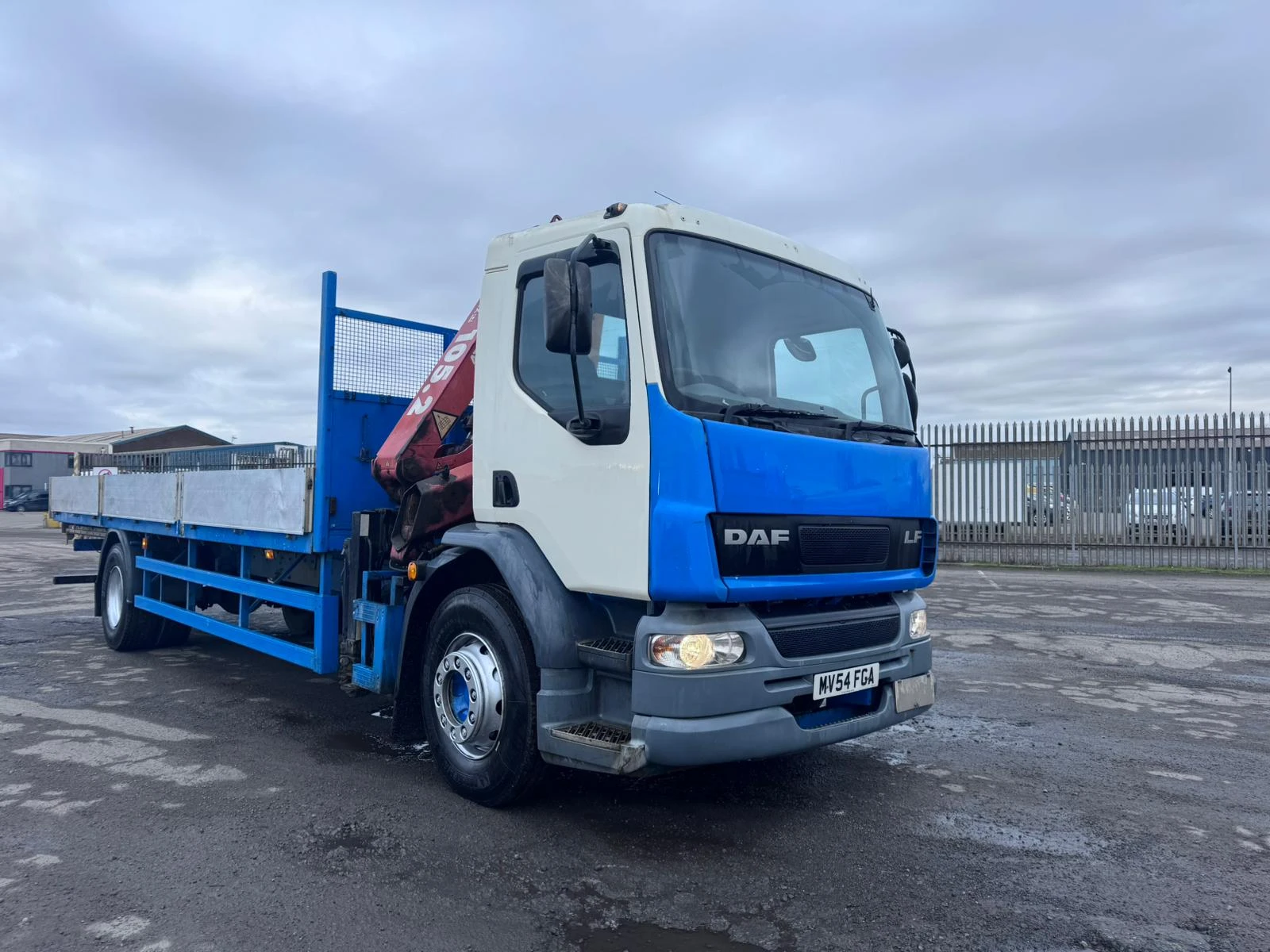
Used Trucks for Sale to Kenya
UK Commercial Vehicles for East Africa’s Economic Powerhouse
For over two decades, Clugston International has watched Kenya transform from a regional hub into East Africa’s undisputed economic powerhouse. We’ve been there through it all – the construction of the Thika Superhighway that revolutionised Nairobi’s transport corridors, the expansion of the Standard Gauge Railway that reshaped logistics thinking, and the continuous growth that has made Kenya the gateway to a market of over 300 million people.
Our trucks don’t just arrive at Mombasa port; they become part of Kenya’s economic story. They haul containers from Kilindini harbour to warehouses in Industrial Area. They transport fresh produce from Limuru’s farms to Nairobi’s markets before dawn. They carry construction materials to sites where Kenya’s future is being built, from Konza Technology City to the expanding suburbs of Kiambu County. In Kisumu, they support the fishing industry. In Eldoret, they move agricultural wealth. Along the Northern Corridor to Uganda, Rwanda, and beyond, British trucks we’ve supplied keep East African trade flowing.
This depth of involvement has taught us precisely what succeeds in Kenya’s unique operating environment. It’s not enough to simply ship a truck and hope for the best. Success requires understanding the difference between operating in Nairobi’s notorious traffic and managing long-haul routes to Busia. It means knowing why a transporter serving Turkana needs different specifications than one operating between Mombasa and Malaba. It’s recognising that Kenya’s transport sector isn’t monolithic – it’s a complex ecosystem where each operator faces distinct challenges requiring specific solutions.
Why Kenya’s Transport Professionals Choose British Commercial Vehicles
The Kenyan transport sector operates in an environment where every shilling counts but where false economy can prove catastrophic. A breakdown on the Mombasa-Nairobi highway doesn’t just mean repair costs; it means missed delivery windows, penalty clauses, and damaged business relationships. This reality drives serious operators toward quality equipment with proven reliability.
British trucks offer something increasingly rare in today’s market: complete operational transparency. The UK’s commercial vehicle regulations rank among the world’s most stringent. From the moment a truck enters service, it faces annual MOT inspections that examine everything from emissions to brake efficiency. These aren’t cursory checks – they’re comprehensive examinations that create a documented history no marketing presentation can replace.
When a Kenyan importer evaluates a 2019 Mercedes Actros from our inventory, they receive more than photographs and promises. They get MOT certificates showing exact brake performance percentages. Service invoices detailing every component replaced. Tachograph data revealing how the vehicle was actually operated. This isn’t information we compile – it’s documentation that UK law mandates, creating a transparency that transforms purchasing decisions from gambles into calculated investments.
The right-hand drive advantage extends beyond mere convenience. Kenyan drivers operating RHD vehicles maintain better road positioning on the country’s left-hand traffic system. They judge overtaking distances more accurately. They navigate roundabouts more safely. In a country where road accidents cost the economy billions of shillings annually, these aren’t minor considerations – they’re factors that directly impact operational safety and efficiency.
Currency considerations make the economic argument even more compelling. While a new European truck might cost KES 15-20 million, a three-year-old model with documented history might be acquired for KES 6-8 million. That difference can fund an entire year’s operational costs, provide capital for route expansion, or simply improve cash flow during challenging periods. It’s arithmetic that every transport manager understands viscerally.
Understanding Kenya’s Complex Transport Landscape
Kenya’s transport sector defies simple categorisation. Geographic diversity, from coastal humidity to highland altitudes, creates varying operational demands. Economic complexity, from subsistence agriculture to sophisticated manufacturing, requires different vehicle capabilities. Infrastructure variation, from smooth tarmac on major highways to challenging rural roads, demands versatility that not every truck can provide.
The Northern Corridor remains Kenya’s economic artery, carrying goods from Mombasa to Uganda, Rwanda, Burundi, and Eastern DRC. Vehicles operating this route face unique challenges. The climb from sea level to Nairobi at 1,795 metres tests engine cooling systems. The descent into the Rift Valley examines brake capability. The long stretches through Timboroa Forest demand fuel efficiency. Weather variations from Mombasa’s humid heat to the cool highlands around Mau Summit require vehicles that adapt without drama.
Urban operations present entirely different challenges. Nairobi’s traffic has achieved legendary status, with vehicles sometimes covering just 20 kilometres in two hours during peak periods. This stop-start operation destroys clutches on poorly specified vehicles, overheats inadequate cooling systems, and tests driver patience beyond reasonable limits. Successful urban operators choose vehicles with automated transmissions, robust cooling systems, and excellent visibility – specifications that European trucks, designed for similar urban challenges, provide naturally.
Agricultural transport follows seasonal rhythms that demand surge capacity. During tea harvest in Kericho, during coffee collection in Kiambu, during maize harvesting in Trans-Nzoia, transport demand spikes dramatically. Operators need vehicles that can work intensively for short periods then return to routine operations without requiring extensive maintenance. It’s a duty cycle that favours well-maintained used trucks over new vehicles that haven’t proven their reliability.
The construction sector, booming with infrastructure projects, Vision 2030 initiatives, and real estate development, requires specialised vehicles. Tippers for aggregate transport, mixers for concrete delivery, flatbeds for steel and equipment – each application demands specific configurations. The Nairobi Expressway project alone required hundreds of specialised vehicles, many supplied by companies operating British trucks valued for their reliability under intensive use.
Proven Models Excelling in Kenyan Operations
DAF: The Fuel Efficiency Champions
DAF has quietly revolutionised Kenyan transport economics through fuel efficiency that operators initially didn’t believe possible. When diesel prices fluctuate at Shell and Total stations, DAF operators calculate their advantages in precise percentages that translate to competitive pricing power.
The LF45 has become ubiquitous in Nairobi’s distribution sector, particularly among beverage distributors serving the hospitality industry. Its compact dimensions navigate Westlands’ congested streets effectively, whilst its 4.5-litre engine delivers surprising economy. One major distributor operating twelve LF45 units reports average consumption of 8 litres per 100 kilometres in urban conditions – figures that seemed impossible with previous fleet vehicles.
For intercity operations, the CF75 dominates routes between major towns. These vehicles handle the Nairobi-Kisumu run with consistency that scheduling departments appreciate. The 9.2-litre engine provides adequate power for Kericho’s hills whilst maintaining economy on Ahero’s plains. Operators particularly value the engine brake system, which reduces brake wear on the continuous descents that characterise Kenya’s geography.
The CF85 has established itself as the premium choice for international operations. With 12.9 litres of displacement and sophisticated engine management, these vehicles maintain economic cruise speeds whilst retaining reserves for overtaking on single-carriageway sections. Several major transporters operating the Northern Corridor exclusively specify CF85 units, citing fuel savings that fund entire vehicle payments.
We recently supplied a specialised CF85 with 40,000-litre fuel tanker configuration to a petroleum distributor serving Western Kenya. After six months’ operation, including daily runs from Kisumu to Bungoma, they’ve documented 18% better fuel consumption than the vehicle it replaced – savings that transform profit margins in the competitive fuel distribution sector.
Mercedes-Benz: The Reliability Benchmark
Mercedes trucks in Kenya carry weight beyond their payloads. They represent engineering excellence that resonates with clients who value reliability over initial savings. From the UN agencies specifying Mercedes for humanitarian operations to construction giants demanding consistent performance, the three-pointed star signifies serious intent.
The Atego range has redefined medium-duty expectations. The 1218 model works throughout Kenya, from flower farms in Naivasha requiring gentle handling to construction sites in Athi River demanding robust performance. Its 6-cylinder engine provides smooth power delivery that preserves cargo and reduces driver fatigue – factors that matter during 14-hour operational days.
Moving up the range, the Atego 1524 bridges the gap between medium and heavy duty. With 240 horsepower and optional automated transmission, it suits operators who need flexibility without excess capacity. We’ve supplied these to dairy transporters collecting from multiple farms, where the combination of reasonable fuel consumption and adequate power proves ideal.
The Axor series addresses properly heavy applications. The 1833 has become standard equipment for waste management contracts in Kenya’s counties, where reliability isn’t just about economics – it’s about public health. The 2628 configuration excels at container transport, hauling 40-foot units from Mombasa with authority that maintains schedules despite Kenya’s geographic challenges.
The Actros, Mercedes’ flagship, operates at the pinnacle of Kenyan transport. These vehicles don’t just move cargo; they make statements about operational sophistication. We sourced an Actros 2544 for a logistics company serving the floriculture industry. The requirement? Maintaining precise temperatures whilst traversing from farms to Jomo Kenyatta International Airport, ensuring flowers arrive at European markets in perfect condition. The Actros delivers this consistency shift after shift, season after season.
Scania: Built for African Realities
Scania’s relationship with Africa spans generations, and it shows in vehicles that seem designed specifically for Kenyan conditions. They’re not the cheapest option, nor the most fuel-efficient, but for sheer capability when conditions deteriorate, Scania remains the choice of operators who cannot afford failure.
The P-series revolutionised distribution operations by providing heavy-duty reliability in medium-duty configurations. The P230 serves regional routes brilliantly, offering enough power for challenging sections whilst maintaining economy on easier stretches. We’ve supplied these to agricultural transporters who report that Scania’s torque characteristics suit Kenya’s topography perfectly – pulling strongly from low revs without constant gear changes.
The P360 represents the sweet spot for many operators. With 360 horsepower from a 9-litre engine, it handles most requirements without excess. Construction companies particularly favour this model for its ability to access sites where larger vehicles cannot venture whilst still hauling meaningful payloads. One contractor operating five P360 tippers on the Nairobi-Nakuru highway expansion reports zero major failures despite continuous operation in harsh conditions.
For ultimate capability, the G-series delivers. The G420 has achieved legendary status among drivers operating difficult routes. These vehicles climb escarpments that leave others struggling, maintain speed where others slow, and complete journeys that others abandon. A transporter serving refugee camps in Turkana operates four G420 units we supplied. Despite operating in temperatures exceeding 40°C, on roads that barely deserve the name, carrying loads that would challenge any vehicle, they simply continue working.
The R-series tops Scania’s range, and in Kenya, these vehicles operate where prestige meets performance. Major corporates specify R-series trucks not just for capability but for the statement they make about operational standards. We recently sourced an R520 V8 for a transporter serving the oil industry. The requirement was specific: reliable operation in remote locations where breakdown would mean massive costs. The Scania delivers this reliability whilst providing drivers with comfort that reduces fatigue on extended operations.
Volvo: Safety Meets Efficiency
Volvo’s emphasis on safety resonates strongly in Kenya, where road accidents remain a significant challenge. Companies specifying Volvo trucks often cite insurance advantages and corporate responsibility alongside operational benefits.
The FL range provides urban and regional capability with Volvo’s characteristic over-engineering. The FL6 suits start-up operations, offering Volvo quality at accessible price points. These vehicles particularly excel in specialised applications – we’ve supplied FL models configured as recovery vehicles, mobile workshops, and broadcast units where reliability and sophisticated electronics integration matter more than raw payload.
The FE series represents Volvo’s assault on the construction sector. With various wheelbases and configurations available, these trucks adapt to diverse requirements. The FE 6×4 configuration has proven particularly effective for concrete mixers, where the combination of stability, power, and driver comfort improves productivity on construction sites. Several major contractors now specify FE models exclusively, citing reduced accident rates and improved driver retention.
The FM range takes Volvo into heavy-duty territory with authority. The FM 440 has become popular among tanker operators, where stability and safety systems provide confidence when hauling hazardous materials. Electronic stability programmes, advanced braking systems, and comprehensive driver aids reduce risks that could prove catastrophic. One chemical transporter reported their insurance premiums dropped 20% after switching to Volvo FM units – savings that justified the initial investment comprehensively.
Isuzu: Simplicity That Works
In a market where technology sometimes complicates more than it helps, Isuzu offers refreshing mechanical simplicity. These aren’t unsophisticated vehicles – they’re trucks engineered with different priorities, where reliability trumps features, where repairability matters more than ultimate performance.
The Forward FRR has achieved almost cult status among operators serving Kenya’s rural areas. Where roads deteriorate beyond description, where fuel quality varies dramatically, where the nearest qualified mechanic might be 200 kilometres away, the FRR continues operating. Agricultural cooperatives particularly value these vehicles for their ability to reach farmers wherever they are, regardless of conditions.
The FSR provides more capacity whilst retaining Isuzu’s fundamental reliability. These vehicles excel at scheduled route operations where consistency matters more than speed. We’ve supplied FSR models to companies operating mobile banking services, reaching communities traditional banks ignore. The requirement isn’t just mechanical reliability – it’s absolute dependability that maintains customer trust.
The Giga series competes with European offerings in heavy-duty segments, bringing Japanese reliability philosophy to serious transport applications. While they might lack some comfort features of European competitors, they compensate with running costs that accountants appreciate. A waste management company operating ten Giga units reports maintenance costs 30% lower than their previous mixed fleet – savings that fund route expansion and service improvement.
MAN: German Engineering, Practical Application
MAN occupies an interesting position in Kenya’s market – premium enough to command respect, practical enough for challenging operations. It’s a balance that appeals to operators seeking German engineering without excessive complexity.
The TGL series revolutionised urban distribution by providing genuine heavy-duty construction in medium-duty configurations. The TGL 12.220 particularly suits Kenya’s urban environments, where overloading remains common despite regulations. While we never endorse exceeding legal limits, we recognise operational realities. MAN’s over-engineered chassis and suspension cope with these realities better than most.
The TGM range steps up capability significantly. The TGM 18.280 has found favour with construction material suppliers, where the combination of payload and manoeuvrability suits Kenya’s developing infrastructure. These vehicles access construction sites via rough access roads, deliver meaningful loads, and return for more without mechanical drama. It’s unglamorous work that MAN trucks accomplish with characteristic German thoroughness.
For maximum capability, the TGS series delivers. These vehicles compete directly with premium offerings from Mercedes and Scania, often winning contracts through competitive lifecycle costs. The TGS 33.440 particularly excels at fuel transport, where the combination of stability, power, and safety systems provides confidence on Kenya’s varied roads. One petroleum distributor operating a mixed fleet reports their MAN units match competitors for reliability whilst offering lower parts costs – advantages that compound over vehicle lifetimes.
The Logistics of Getting Trucks to Kenya
Successfully importing commercial vehicles to Kenya requires understanding systems, regulations, and realities that can frustrate unprepared importers. Two decades of experience has taught us that successful importation is 20% finding the right vehicle and 80% managing everything else correctly.
The Mombasa Gateway
Mombasa port has transformed dramatically over recent years, with new container terminals, improved equipment, and streamlined procedures. However, it remains a complex environment where documentation errors can cause expensive delays. We maintain relationships with clearing agents who understand truck importation specifically – generalist agents often miss crucial details that can delay clearance by weeks.
The Kenya Bureau of Standards (KEBS) requirements for commercial vehicles are specific and non-negotiable. Every vehicle requires a Certificate of Conformity from approved inspection agencies. These inspections must occur before shipment, with detailed reports covering everything from emissions compliance to structural integrity. We coordinate these inspections in the UK, ensuring documentation meets KEBS requirements precisely.
The Kenya Revenue Authority (KRA) calculates duties based on various factors including engine capacity, age, and configuration. Current rates mean a typical truck attracts duties approaching 45% of CIF value. We structure invoicing to ensure accurate declaration whilst legally minimising duty exposure. Some operators time imports around budget announcements, hoping for duty adjustments that rarely materialise.
Alternative Routes and Considerations
While Mombasa remains primary, some operators explore alternatives. The Namanga border post offers possibilities for vehicles shipped via Dar es Salaam, though distances and additional handling offset savings. The OSBP (One Stop Border Post) system has improved processing, but crossing international borders adds complexity that Mombasa arrival avoids.
Air freight occasionally makes sense for urgent spare parts but never for complete vehicles. We’ve seen operators attempt to minimise duties by importing vehicles in pieces for local assembly. The complexity, cost, and quality issues invariably exceed any savings. Professional importation of complete, tested vehicles remains the most economic approach.
Preparing for Successful Integration
Importing a truck marks the beginning, not the end, of the journey. Successful integration into Kenyan operations requires preparation that starts before the vehicle arrives.
Driver familiarisation cannot be overlooked. Modern European trucks include technology that might confuse drivers accustomed to simpler vehicles. We provide comprehensive operator manuals and basic training materials. Some clients arrange formal training through manufacturer representatives in Kenya, investment that pays dividends through improved fuel economy and reduced wear.
Maintenance planning requires strategic thinking. While major brands maintain parts availability through Kenyan dealers, some components require importation. We advise clients to identify critical spares and order them with the vehicle. A broken windscreen might seem minor until you discover three-week delivery times that keep vehicles idle.
Establishing service relationships before vehicles arrive prevents expensive surprises. Identifying qualified technicians, sourcing diagnostic equipment, and understanding service schedules ensures vehicles maintain reliability. We provide service history documentation that Kenyan technicians can continue, maintaining consistency that preserves value and reliability.
Future-Proofing Your Fleet Investment
Kenya’s transport sector continues evolving rapidly. Environmental consciousness grows, with Nairobi authorities already discussing emissions restrictions. Technology advances, with electronic logging devices and GPS tracking becoming standard. Customer expectations rise, demanding reliability and professionalism that older vehicles cannot provide.
European trucks position operators for these changes. Euro 5 and Euro 6 engines might seem excessive today but could become entry requirements tomorrow. Electronic stability systems and advanced driver aids might appear unnecessary until insurance companies offer premium discounts for vehicles equipped with them. Telematics preparation allows easy integration of tracking systems customers increasingly demand.
We guide clients toward vehicles that balance current needs with future adaptability. A slightly more expensive truck with better emissions standards might access contracts older vehicles cannot. Vehicles with comprehensive safety features might qualify for corporate contracts where HSE requirements exclude basic vehicles. These aren’t abstract considerations – they’re factors that influence profitability over vehicle lifetimes.
Making Your Import Decision With Confidence
Every successful transport operation in Kenya started with someone taking calculated risks. The matatu operator who imported their first small bus. The logistics company that invested in proper trucks. The contractor who recognised that reliable equipment enables growth. If you’re ready to join them, we’re ready to help.
Our process prioritises transparency and professionalism. We begin by understanding your specific requirements – routes, cargo, operational conditions. From this foundation, we identify vehicles that match needs precisely. We provide comprehensive photographs, detailed histories, and honest assessments. No marketing speak, no hidden surprises – just straightforward information enabling informed decisions.
We handle complexity while keeping you informed. From UK sourcing through Mombasa clearance to delivery at your premises, we manage logistics professionally. You receive regular updates, tracking information, and prompt responses to queries. Two decades of experience means we’ve encountered most challenges – and know how to resolve them.
Connect With Our Kenya Export Specialists
Paul – International Sales Manager
Direct/WhatsApp: +44 7712 674458
Email: sa***@*************ng.com
Operating from Scunthorpe in Lincolnshire, we’ve built bridges between British commercial vehicle excellence and Kenyan transport ambition. Our clients range from owner-operators purchasing their first import to major logistics companies standardising on European equipment. Whatever your position on this spectrum, we provide the same professional service that respects your investment and enables your success.
Twenty years serving Kenya. Hundreds of successful imports. Thousands of operational hours. One commitment: delivering quality UK commercial vehicles that transform Kenyan transport operations.
Visit our website to view current stock, browse our gallery of previously delivered vehicles, or simply contact Paul directly to discuss your requirements. Whether you need a single vehicle for specific application or multiple units for fleet expansion, Clugston International provides the expertise, reliability, and professional service that successful importation demands.
Clugston International – Your trusted partner for quality used trucks to Kenya. Contact us today and discover how British commercial vehicle excellence can power your success in East Africa’s most dynamic economy.