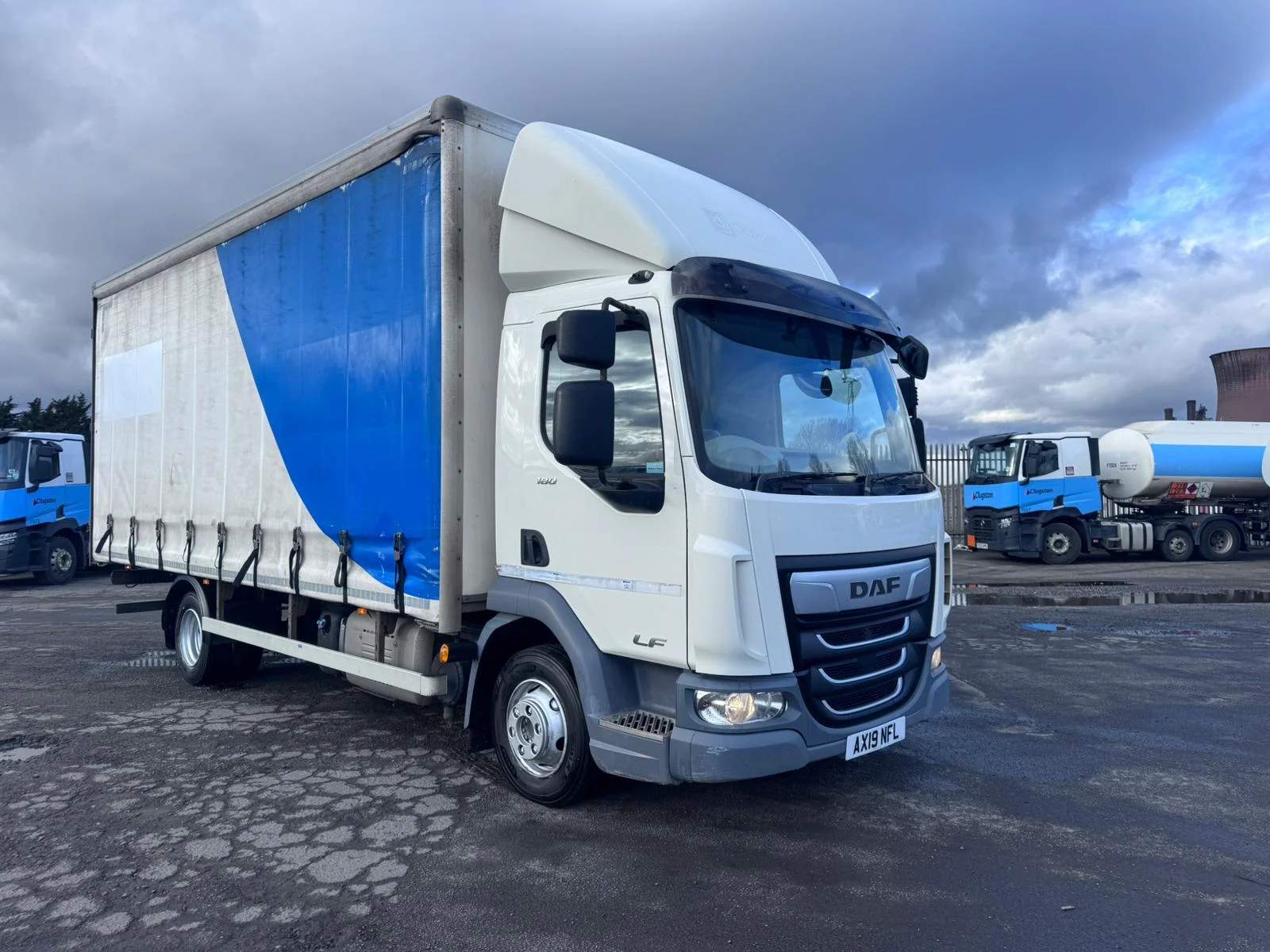
Used Trucks For Sale – Shipping to Mozambique from the UK
For more than twenty years, Clugston International has established itself as Mozambique’s most reliable partner for importing premium used trucks from the United Kingdom. Our shipping network extends throughout Mozambique’s key commercial centres, reaching Maputo, Beira, Nampula, and Nacala with consistent reliability. Hundreds of successful deliveries across Mozambique demonstrate our commitment to excellence in the commercial vehicle export sector.
Understanding Mozambique’s Transport Requirements
Mozambique stretches 2,500 kilometres along Africa’s eastern coast, creating logistics challenges that define its transport sector. The country’s geography – from the Zambezi River valley to the northern highlands, from Indian Ocean ports to the Zimbabwe border – demands vehicles capable of handling extraordinary diversity. This isn’t just about distance; it’s about adapting to conditions that change dramatically within a single journey.
The Maputo corridor serves as southern Africa’s alternative gateway, with trucks moving cargo between South Africa’s industrial heartland and the Indian Ocean. This route has transformed from a post-conflict reconstruction project into one of Africa’s busiest transport corridors. Vehicles operating here face intensive utilisation – running from Johannesburg to Maputo port and back, sometimes twice weekly, accumulating kilometres at rates that would alarm European operators. The N4 highway might be well-maintained, but the sheer intensity of operations reveals any mechanical weakness quickly.
Northern Mozambique presents entirely different challenges. The development of massive natural gas deposits in Cabo Delgado has created transport demand that barely existed five years ago. Equipment for the gas projects arrives at Nacala or Pemba ports, requiring specialised transport to project sites. The roads here vary from reasonable Chinese-built highways to tracks that test every component of a commercial vehicle. During the rainy season, certain routes become impassable for days, making reliability not just important but essential for maintaining project schedules.
The Beira corridor remains crucial for landlocked Zimbabwe, Zambia, and Malawi. Trucks operating this route don’t just serve Mozambique – they’re the lifeline for half of southern Africa. The rehabilitation of this corridor has improved conditions significantly, yet challenges remain. The climb from Beira’s coastal plain to Zimbabwe’s Eastern Highlands tests cooling systems and brakes equally. Seasonal flooding in the Zambezi valley can close routes entirely, forcing lengthy detours that add hundreds of kilometres to journeys.
Central Mozambique’s agricultural regions around Tete, Manica, and Zambézia provinces generate seasonal transport surges. Tobacco, cotton, and cashew harvests require immediate transport to processing facilities or ports before quality deteriorates. The roads serving these agricultural areas range from acceptable to challenging, with conditions deteriorating rapidly during the wet season. Vehicles here need durability to handle rough roads, capacity for agricultural loads, and reliability to maintain tight harvest schedules.
The mining sector, particularly coal operations in Tete province, has created heavy-duty transport requirements that rival anywhere in Africa. Moving coal from inland mines to Beira port requires vehicles capable of handling 30-tonne payloads repeatedly, on roads that weren’t designed for such intensity. The wear on vehicles is extraordinary – operators talk about component life in months rather than years. Only trucks built to genuine heavy-duty standards survive this environment profitably.
Why UK Trucks Excel in Mozambican Operations
British commercial vehicles offer Mozambican operators something increasingly rare in used vehicle markets: documented reliability with transparent history. The UK’s stringent regulatory environment creates a used truck pool where maintenance isn’t optional but legally mandated. This matters enormously in Mozambique, where breakdown might mean days waiting for parts or assistance.
The Vehicle and Operator Services Agency (VOSA) in the UK enforces standards that many countries only aspire to. Annual MOT testing from year three onwards fails approximately one-third of trucks on first presentation. These aren’t superficial checks but comprehensive examinations covering brakes, emissions, structural integrity, and safety systems. A six-year-old truck from our inventory arrives with six years of testing history, providing transparency about condition and maintenance that verbal assurances can’t match.
British weather, while different from Mozambique’s tropical climate, provides surprisingly good preparation. UK trucks endure rainfall that matches Mozambique’s wet season intensity, testing water sealing comprehensively. Temperature variations stress components in ways that reveal weaknesses. Road salt creates corrosion challenges requiring robust protection. These conditions produce vehicles with proven durability, unlike trucks from markets with gentler operating environments.
The right-hand drive configuration matches Mozambique’s traffic system perfectly, but the advantages extend beyond convenience. On narrow provincial roads where oncoming traffic requires careful negotiation, right-hand positioning enables accurate judgment. In urban areas like Maputo or Beira, where chapas (minibus taxis) create their own traffic rules, familiar driving positions reduce accident risks significantly.
Documentation standards from the UK provide confidence that Mozambican buyers value highly. Service records from authorised dealers, tachograph data showing how vehicles were actually operated, detailed MOT histories highlighting any recurring issues – this information transforms purchasing decisions from gambles into calculated investments. When capital is scarce and mistakes prove expensive, such transparency becomes invaluable.
DAF: Fuel Efficiency for Long-Distance Success
DAF’s engineering philosophy resonates strongly with Mozambican operators who understand that fuel costs can determine profitability. The focus on efficiency without sacrificing capability has made DAF trucks increasingly popular on Mozambique’s major transport corridors.
The CF series has proven particularly successful on the Maputo corridor. The CF85, with its 12.9-litre engine producing 460 horsepower, provides the perfect balance for international operations. It maintains economical cruising speeds on the N4 highway whilst retaining power reserves for overtaking. The AS Tronic automated transmission eliminates driver error in gear selection, crucial when drivers cover thousands of kilometres monthly. Operators report fuel savings of 15-25% compared to older manual vehicles – differences that transform competitive positioning.
The CF75 suits regional operations excellently. Its 360-horsepower output handles most Mozambican requirements without excess consumption. The integrated engine brake proves invaluable on routes like the descent from Chimoio to Beira, preserving service brakes whilst maintaining control. Agricultural transporters particularly value this model during harvest seasons when vehicles work intensively moving crops to ports or processors.
The LF series addresses urban distribution requirements in Maputo and Matola. The LF45’s compact dimensions navigate congested city streets effectively whilst maintaining meaningful payload capacity. Its 4.5-litre engine delivers surprising economy – important when fuel prices fluctuate unpredictably. Retail chains operating multiple daily deliveries report that one LF45 replaces two smaller vehicles whilst using less fuel than either.
For specialised applications, DAF offers impressive adaptability. We’ve supplied CF85 units configured as fuel tankers serving remote districts where supply security matters enormously. Others operate as refrigerated trucks maintaining cold chains for agricultural exports. The reliability that characterises DAF engineering means these vehicles continue operating when alternatives fail, crucial for time-sensitive operations.
Mercedes-Benz: Engineering for Demanding Applications
Mercedes-Benz trucks in Mozambique signify serious commercial intent. Major contractors specify them for critical projects. Mining companies trust them for operations where failure costs thousands per hour. Government departments prefer them for their proven reliability and comprehensive regional support network.
The Actros range dominates heavy-duty applications across Mozambique. The Actros 2544 excels at container transport from ports to inland destinations, its sophisticated engine management delivering economy without sacrificing performance. The PowerShift 3 transmission adapts intelligently to varying conditions – crucial when routes include everything from port congestion to highway cruising to difficult provincial roads. Mining operators particularly value the Actros 3340 for its ability to handle overloading that, while never recommended, remains common in resource extraction.
The Axor series provides excellent value for medium to heavy-duty applications. The Axor 2528 suits agricultural transport perfectly, providing sufficient power for seasonal demands whilst maintaining reasonable consumption during quieter periods. Its robust construction handles the punishment of rural roads better than vehicles optimised purely for European highways. During cashew season in northern Mozambique, these vehicles work continuously, where reliability directly impacts farmer incomes and processor schedules.
The Atego range has transformed urban logistics in Mozambican cities. The Atego 1218 navigates Maputo’s congested baixa (downtown) effectively, accessing loading bays designed for much smaller vehicles. Construction companies value the Atego 1524 for its versatility – hauling materials from suppliers, delivering to sites, supporting various construction activities. The optional Allison automatic transmission eliminates clutch wear in stop-start traffic, reducing maintenance costs significantly.
Mercedes-Benz’s established presence across southern Africa provides crucial support infrastructure. Parts availability through South African networks means most components can be sourced within days rather than weeks. Trained technicians in major cities understand these vehicles properly. It’s support that transforms ownership from risk into manageable investment.
Scania: Reliability for Mozambique’s Toughest Challenges
Scania’s African experience spans generations, creating vehicles that handle continental challenges through superior engineering rather than luck. Their reputation in Mozambique stems from trucks that continue operating when others have long since failed.
The R-series defines heavy-duty transport in Mozambique. The R440 doesn’t merely cope with difficult conditions – it masters them repeatedly. Operators serving remote mining sites in Tete province trust these vehicles absolutely. Roads that resemble quarry operations, river crossings during wet season, gradients that challenge any vehicle – the R440 handles them all whilst maintaining predictable operating costs. The robust construction that characterises Scania design means these trucks survive conditions that destroy lesser vehicles within months.
The R500 provides maximum power for specialised applications where failure isn’t acceptable. Heavy haulage operators moving mining equipment from ports to inland sites specify these vehicles exclusively. The initial investment seems substantial until compared to the costs of failed deliveries or damaged cargo. One operator told us their R500 paid for itself within eight months through contracts competitors couldn’t handle.
The P-series makes Scania engineering accessible to more operators. The P360 particularly suits construction applications where durability matters more than ultimate performance. These vehicles access difficult sites, handle varied loads, maintain reliability despite minimal maintenance – characteristics that appeal to contractors working on infrastructure projects across Mozambique. The lower operating costs compared to premium models make them attractive for companies building their fleets.
The G-series addresses specific requirements with characteristic over-engineering. The G420 6×4 configuration excels at tanker operations, providing stability essential for liquid loads on Mozambique’s varied roads. When carrying fuel to remote communities or chemicals to mining operations, the safety margins built into Scania design provide confidence that prevents accidents rather than merely surviving them.
Volvo: Sophisticated Safety for Professional Operations
Volvo’s emphasis on safety and driver welfare resonates with Mozambique’s professional transport operators who recognise that accidents cost more than just vehicle repairs. Lost cargo, injured drivers, damaged reputation – these hidden costs make safety systems valuable investments rather than expensive options.
The FH series brings premium capabilities that transform long-distance operations. The FH440 provides exceptional comfort for drivers spending weeks on international routes. The I-Shift transmission optimises every gear change for conditions and load. Advanced safety systems prevent accidents that could destroy businesses. Climate control that handles African heat reduces fatigue. For operators competing for skilled drivers, offering FH-series trucks aids recruitment and retention significantly.
The FM range balances sophistication with practicality. The FM380 suits varied Mozambican requirements excellently, from agricultural transport during harvest seasons to year-round general haulage. The driver-focused design reduces fatigue during extended operations, whilst safety systems provide protection when concentration lapses. Insurance companies increasingly offer premium reductions for Volvo-equipped fleets, recognising their superior accident prevention capabilities.
The FL series makes Volvo quality attainable for growing businesses. Despite its entry-level positioning, the FL250 includes electronic stability control, emergency brake assistance, and driver alert systems. These features prove particularly valuable in Mozambique’s mixed traffic conditions where pedestrians, bicycles, and livestock share roads with commercial vehicles. Small operators report that Volvo ownership opens opportunities with international organisations and diplomatic missions who prioritise contractor safety standards.
MAN and Isuzu: Alternative Excellence
MAN trucks offer German engineering with pragmatic design acknowledging African operational realities. The TGX range provides premium capability without unnecessary complexity – sophisticated enough for demanding applications yet serviceable with reasonable equipment. The TGS series excels in construction and mining support, with reinforced chassis and suspension systems that cope with overloading better than designed-to-limit alternatives.
Japanese engineering from Isuzu has established strong presence in Mozambique’s medium-duty segment. The Forward series – particularly FRR and FSR models – provides reliability that operators trust completely. Simplicity becomes advantageous in provincial areas where technical support remains limited. The Giga series competes in heavier applications, offering lower operating costs that appeal to cost-conscious operators.
These alternative brands provide valuable options for specific operational requirements. MAN’s combination of sophistication and serviceability suits operators seeking premium capability without excessive complexity. Isuzu’s reliability through simplicity appeals to those prioritising dependability over features. Both offer established parts support through regional networks, ensuring sustainable operation.
Industry-Specific Solutions
Mozambique’s diverse economy creates varied transport requirements that generic vehicles cannot address effectively. Mining operations in Tete province need vehicles capable of handling extreme loads on roads that barely deserve the designation. Coal haulage to Beira port requires absolute reliability – missed shipments mean penalties that can destroy profit margins. Equipment transport for new mining developments needs low-loading capability and exceptional power. Water tankers for dust suppression work continuously in harsh conditions.
Agricultural transport varies dramatically by crop and region. Cashew nuts from northern provinces require weather protection during transport to processing facilities. Tobacco from central regions needs careful handling to preserve quality. Cotton from Zambézia province demands high capacity during the compressed harvest period. Sugar cane transport from estates in Sofala requires specialised bodies and robust construction. Each application benefits from vehicles specified correctly initially rather than adapted hopefully.
Construction supporting Mozambique’s infrastructure development creates diverse requirements. Concrete mixers serving urban construction projects need reliability for continuous pours. Tipper trucks hauling aggregates from quarries require robust construction for survival. Crane trucks supporting telecommunications expansion must reach remote tower sites. Flatbeds carrying construction equipment need versatility for varied loads. The construction boom has created demand exceeding local transport capacity, providing opportunities for operators with appropriate vehicles.
Port operations at Maputo, Beira, and Nacala generate specific transport requirements. Container movements from port to inland destinations need vehicles capable of intensive utilisation. Bulk cargo transport requires appropriate body configurations. Time-sensitive cargo demands absolute reliability. The growth in port traffic has created opportunities for operators capable of maintaining strict schedules with appropriate equipment.
Exports & Shipping – From the UK to Mozambique
Our specialist team possesses extensive knowledge of Mozambique’s import requirements and shipping logistics. Understanding the distinct challenges within Mozambique’s transport sector, we deliver streamlined shipping solutions that eliminate complexity from your vehicle acquisition process. From initial shipping quotations through insurance coverage and customs clearance procedures, our support ensures smooth transactions throughout.
Shipping to Mozambique requires understanding multiple port options and their advantages. Maputo port serves southern Mozambique excellently, with good road connections to South Africa and Eswatini. Beira port provides access to central regions and serves as the gateway for landlocked neighbours. Nacala port in the north offers modern facilities and increasing shipping frequency. Each port has specific advantages depending on final destination and operational requirements.
Documentation for Mozambique requires meticulous attention. Import permits, customs declarations, inspection certificates – each element must align perfectly. Our experience with Mozambican requirements ensures smooth processing without expensive delays.
Complete Service Package
From initial consultation through final delivery in Mozambique, our end-to-end service eliminates complications. We handle documentation, logistics coordination, and ongoing support to ensure successful vehicle integration into your operations.
Our consultation process begins with understanding your specific operational requirements. Routes, cargo types, operating conditions – every detail influences appropriate vehicle selection. We provide honest assessments of vehicle suitability, discussing trade-offs between sophistication and serviceability, initial cost and operational economy.
Vehicle sourcing extends beyond current inventory to encompass the entire UK market. Specific model requirements, unusual configurations, particular specifications – our network can locate vehicles matching precise requirements. We inspect thoroughly, document comprehensively, and prepare professionally for shipment.
Shipping coordination ensures reliable delivery at competitive rates. Our established relationships with shipping lines serving Mozambique provide regular sailings and predictable transit times.
Post-delivery support helps ensure successful integration. We can provide operational manuals, basic maintenance guidance, and connections to local service providers. Our ongoing availability for consultation helps resolve challenges that arise during initial operation. This continuing relationship differentiates professional export service from simple vehicle sales.
Contact Clugston International Today
Ready to import reliable used trucks to Mozambique?
Connect with our specialist team for comprehensive support including competitive quotations tailored to Mozambique’s market conditions, expert guidance selecting appropriate vehicles for your business requirements, assistance locating and sourcing specific truck models, and detailed information about export procedures to Mozambique.
Paul – International Sales Manager
Direct Line/WhatsApp: +44 7712 674458
Email: sa***@*************ng.com
Trust Clugston International for your used truck export requirements in Mozambique. Our extensive experience, diverse vehicle selection, and thorough understanding of Mozambican market conditions position us to support your business growth and operational success. Whether expanding existing fleets or establishing new transport capabilities, we provide professional vehicle acquisition services designed specifically for Mozambican operators.
Clugston International – Your established partner for quality UK commercial vehicles to Mozambique.